


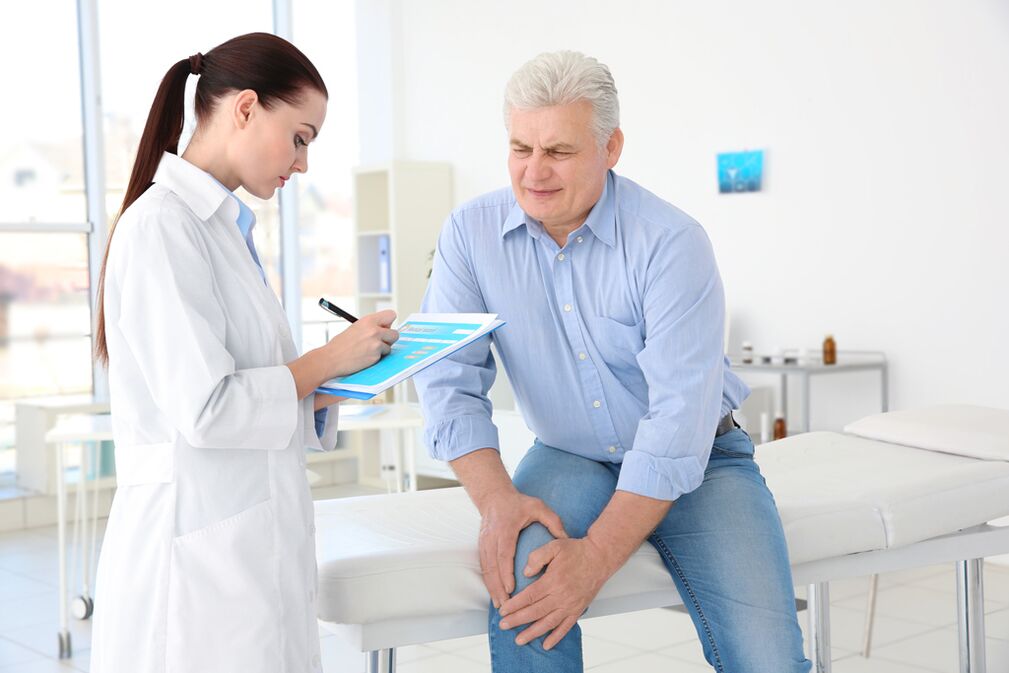
osteoarthritis- a disease that develops over many years with predominant damage to certain joints.Most often, painful changes affect large joints: knee, hip, shoulder, etc.Pain and difficulty moving in them complicate a person's life physically and emotionally, and since osteoarthritis often occurs at a young age, it can interfere with achieving professional and personal goals.That is why it is important to diagnose the disease as soon as possible and begin comprehensive osteoarthritis treatment.
Osteoarthritis treatment
In the initial stage of osteoarthritis, conservative methods are used that do not involve surgical intervention.Meanwhile, the correction methods used make it possible to stop the development of the disease, maintain motor activity, reduce the severity of the main symptoms of osteoarthritis and, in general, improve the person's quality of life.
- Pharmacological treatment:
- NSAIDs;
- GCS;
- chondroprotectors.
- PRP therapy.
- Therapeutic exercise.
- Massage and manual therapy.
- Traction therapy.
- Physiotherapy.
Physiotherapy techniques widely used for osteoarthritis:
- magnetic therapy;
- ultrahigh frequency;
- inductothermy;
- ultrasound therapy;
- balneotherapy;
- surgical treatment.
Drug treatment
There is a widespread belief among patients that taking medications with an analgesic effect (orally in the form of tablets or by injection, intramuscularly) is the most important method of relieving pain in osteoarthritis.In fact, the use of medications is a method of rapid pain relief, which should be prescribed only in the acute period.The fact is that drugs widely prescribed for these purposes have serious side effects, which increase with prolonged use and especially with uncontrolled use.We are talking about undesirable effects on the part of the digestive, cardiovascular and nervous systems, which with a high probability can lead the patient to a hospital bed (stomach bleeding, heart rhythm disturbances, effects on the liver and kidneys, etc.).

Non-steroidal anti-inflammatory drugs
NSAIDs- non-steroidal anti-inflammatory drugs, many of them are available without a prescription and are taken by patients alone.This group includes drugs of various chemical structures.The drugs have a pronounced anti-inflammatory and analgesic effect, can reduce pain in the joint area and adjacent muscle tissue, but do not affect the development of the disease.They are used only to reduce symptoms in all stages of the disease.Effective for concomitant synovitis (fluid buildup in the joint).
GKS— Glucocorticosteroids have a strong anti-inflammatory and analgesic effect.It is advisable and effective to administer them periarticularly.However, patients usually have a negative attitude towards the use of these drugs in treatment, which is associated with possible side effects: infectious complications, deterioration of ligaments, articular surface and cartilage degeneration.But with periarticular administration, the risk of these complications is minimal.
Chondroprotectors— substances are natural components of cartilage tissue that, when taken orally, contribute to the gradual restoration of cartilage and normalize its density and elasticity.These active components are usually used in combination and are included in various medications and auxiliary products.Chondroprotectors do not have a rapid analgesic effect;Improvement develops with long-term use of drugs based on them, which is associated with partial restoration of cartilage tissue.Recommended in all stages of the disease.
PRP Therapy
One of the most modern methods of restorative medicine, used for sports injuries and degenerative-dystrophic diseases of the joints, is PRP therapy (PRP - platelet-rich plasma) or plasma biorevitalization, autoplasm therapy.The technique is actively used abroad.
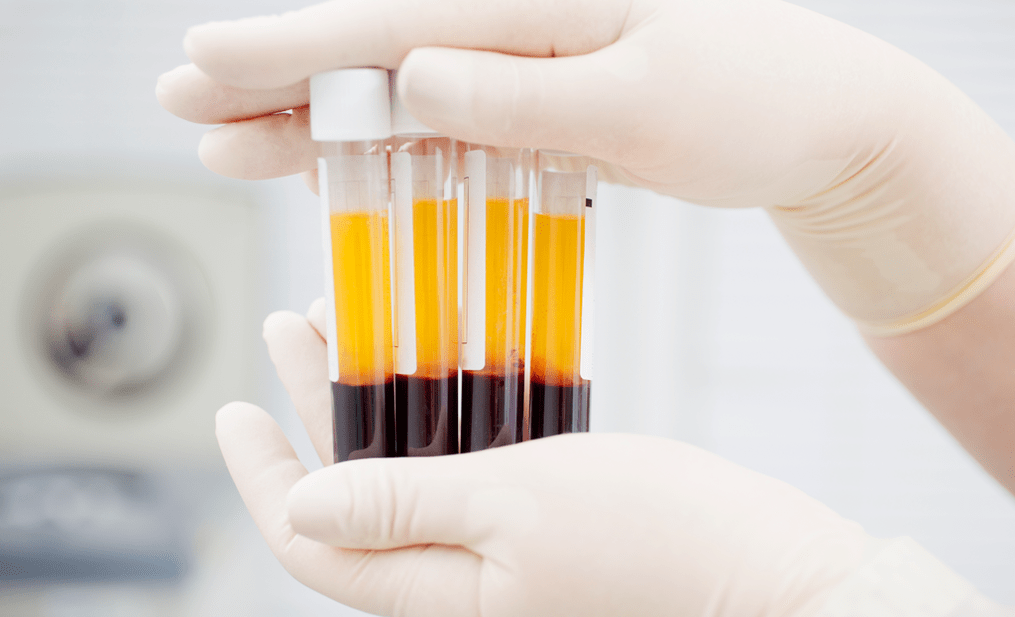
The essence of the procedureIt consists of injecting platelet-rich plasma directly into the site of injury, in this case the joint.The drug for administration is obtained from the patient's own blood, so the method is considered not only very effective, but also safe for humans.Growth factors and other biologically active substances (serotonin, bradykinin, prostaglandins, etc.) contained in platelet-rich plasma contribute to the activation of regeneration processes and the synthesis of their own basic substances.
The resulting platelet-rich plasma is injected both periarticularly and directly into the affected joint, thus achieving partial tissue restoration, mainly cartilage.
The technique is most applicable in stages 1-2 of osteoarthritis.It shows good results and allows the rapid development of the disease to be delayed due to the release of growth factors by platelets.The method is relatively new, but has proven to be very effective.PRP therapy was first used in surgery;Today, the technique is successfully used in many areas of medicine, including rheumatology and orthopedics, neurology and cosmetology.Carrying out autoplasma therapy makes it possible to increase the lifespan of the joint without any other aggressive intervention.
Synovial fluid protectors- a group of drugs based on hyaluronic acid, which are injected directly into the joint cavity (injection) and play the role of a viscous lubricating liquid in the case when the natural synovial fluid is almost completely absent (it is this that plays the role of lubrication of the articular surfaces).Used in the last stages of osteoarthritis.
Medicines in this group are also called “synovial fluid prostheses”, “biological substitutes for synovial fluid”.The effect after administration of the drug is long-lasting: from 6 to 13 months, depending on the drug used.
Some applyother drug groups- antispasmodics, muscle relaxants, vitamin B in therapeutic (high) doses, but all of them only have an auxiliary value in the treatment of osteoarthritis.
therapeutic exercise
Special therapeutic exercises can and should be used even during an exacerbation, at all stages of osteoarthritis.These measures can reduce pain and prevent serious restrictions in joint movement.However, the method is not popular among patients with osteoarthritis, since most of them are mistaken in believing that in case of pain it is necessary to limit any movement.The timely start of physical exercise, on the contrary, promotes a faster recovery and a reduction in symptoms, mainly pain.
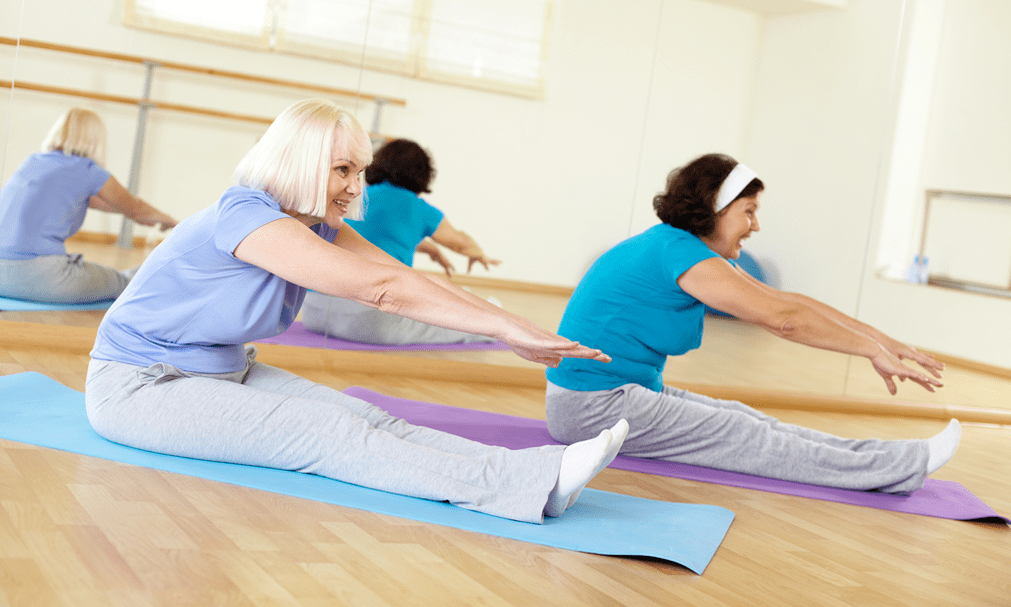
Particularly effective are physiotherapy in water, joint movements in an unloading position (lying, sitting, hanging) and moderate walking on a flat surface.If necessary, for example, in case of severe pain, a special bandage can be applied to the joint, but physical education should be started as soon as possible.
Massage and manual therapy.
Methods of mechanical impact on joints, muscles and ligaments can reduce the severity of pain, increase mobility, improve blood circulation and metabolism in the affected joint area, relieve muscle spasms and normalize muscle function.
Traction therapy
In a hospital or medical sanatorium, it is possible to carry out traction therapy - this is traction of the joint (hip, knee) using a special technique that uses various loads.The standard traction scheme is designed for 28 days, with a gradual increase in load and exposure time.Classical techniques and more modern ones are used through simulators.Their effectiveness is almost the same, but the simulators are more comfortable for the patient.
Physiotherapy
The use of various physiotherapy techniques in the initial stages of osteoarthritis can achieve significant pain relief and an increase in the mobility of the affected joints.Physiotherapy courses help to slow down the pathological process and lengthen the period without exacerbations.
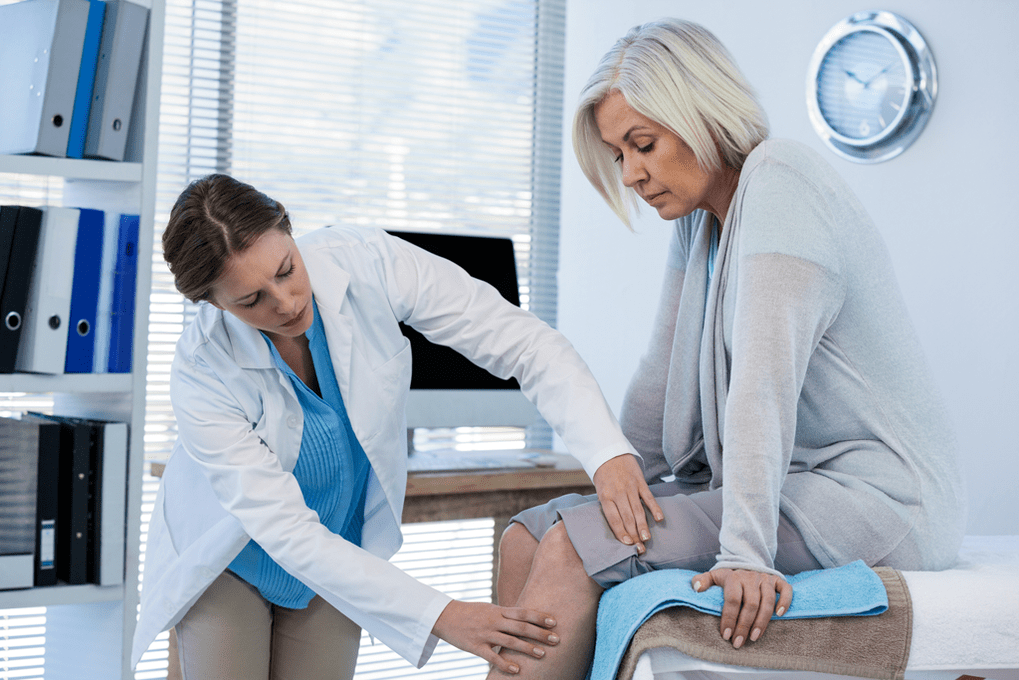
Physiotherapy techniques widely used for osteoarthritis:
Magnetotherapy— local exposure to a constant or alternating low-frequency magnetic field.In the area of the affected joint, metabolic processes are accelerated, blood circulation and the delivery of nutrients to the joint structures are increased, the processes of regeneration and synthesis of the substances necessary for the functioning of the joint are activated.
Magnetotherapy has anti-edematous, analgesic and anti-inflammatory effects almost from the first session, which has a positive impact on the patient's general condition.Magnetic therapy is successfully used in hospitals and sanatoriums, where medical equipment of various modifications is used.
A big advantage for patients with osteoarthritis is the possibility of carrying out independent courses of magnetic therapy at home, as prescribed and under the supervision of the treating doctor.Timely use of portable magnetotherapy devices allows you to stop the development of pain, the onset of an exacerbation, or conduct a preventive course, that is, maintain normal health.
A positive aspect of magnetotherapy can also be considered the beneficial effect of procedures on the state of the cardiovascular and nervous systems.Taking into account that the majority of patients with osteoarthritis are middle-aged and elderly people with a set of chronic diseases (high blood pressure, coronary heart disease, atherosclerosis, etc.), the mild sedative and stabilizing effect of magnetotherapy will be very useful.
Ultrasound therapyIt is most often used in combination with the effects of drugs with anti-inflammatory, analgesic and restorative effects: ultraphonophoresis or phonophoresis.Ultrasound increases the permeability of tissues to drugs, thus enhancing their main effect.Even without a medicinal component, the method is very effective for osteoarthritis: ultrasound has a mechanical effect on the tissue (micromassage), activates local immunological and regenerative processes in the joint area and adjacent muscles, and has a pronounced analgesic and anti-inflammatory effect.
laser therapy– one of the most common and used procedures.The therapeutic effect is based on the reflex expansion of blood vessels over the site of the pathological process.This leads to an improvement in local blood flow, activation of metabolism, elimination of poorly oxidized metabolic products and a decrease in pain intensity.Laser therapy, due to its shallow depth of penetration, has a minimally pronounced systemic effect, while enhancing the therapeutic effect of other procedures.
Shock wave therapy– high energy influence method.It is based on the piezoelectric effect.By applying a piezoelectric discharge to a pathological focus, a number of effects are achieved.Non-viable cells are destroyed, which leads to the activation of local immunity.Hibernating (inactive) cells are stimulated, which promotes regeneration processes.At the same time, the intensity of the pain syndrome is significantly reduced (although the procedure itself is painful).The undoubted advantage of the method is its use once every 4-7 days.
Diadynamic therapy– a method of therapeutic effects on the body with diadynamic pulse currents.The diadynamic currents used in this method rhythmically excite skin receptors, which indirectly leads to the activation of descending physiological mechanisms of pain suppression and leads to a reduction in the patient's pain, up to complete analgesia.Therefore, these procedures are effective for severe pain.
Electromyostimulation– exposure to electrical current in muscle tissue.With osteoarthritis of large joints, the work of the surrounding muscles is disturbed, which leads to atrophy of some and overload of others.Gait disturbance develops.When exposed to an alternating electrical current according to a special program, the muscles rhythmically contract, producing a certain amount of work, which leads to the restoration of their volume and function.
cryotherapy- a simple and effective treatment method that, unfortunately, is rarely used.Local exposure to low temperatures reduces the sensitivity of pain receptors and the synthesis of biologically active substances that stimulate the development of inflammation.After cryotherapy, a reflex expansion of blood vessels occurs, local blood flow is accelerated and recovery processes are activated.This method is especially effective in combination with shockwave therapy.
Balneotherapy.In the conditions of a sanatorium, hydrotherapy is carried out - medicinal baths, among which radon baths are especially effective for arthrosis.The radioactive decay products of radon dissolved in water have a general effect on the body.The most important effect is the activation of metabolic processes.
A similar, although less pronounced, effect is characteristic of therapeutic mud baths (peloids), hydrogen sulfide and carbon dioxide.
Surgical treatment
Surgical techniques are used in the later stages of osteoarthritis, when joint mobility is very limited or absent, which affects the patient's quality of life.Various joint replacement methods are used around the world, allowing full range of motion to be restored and returning the patient to an active life at any age.
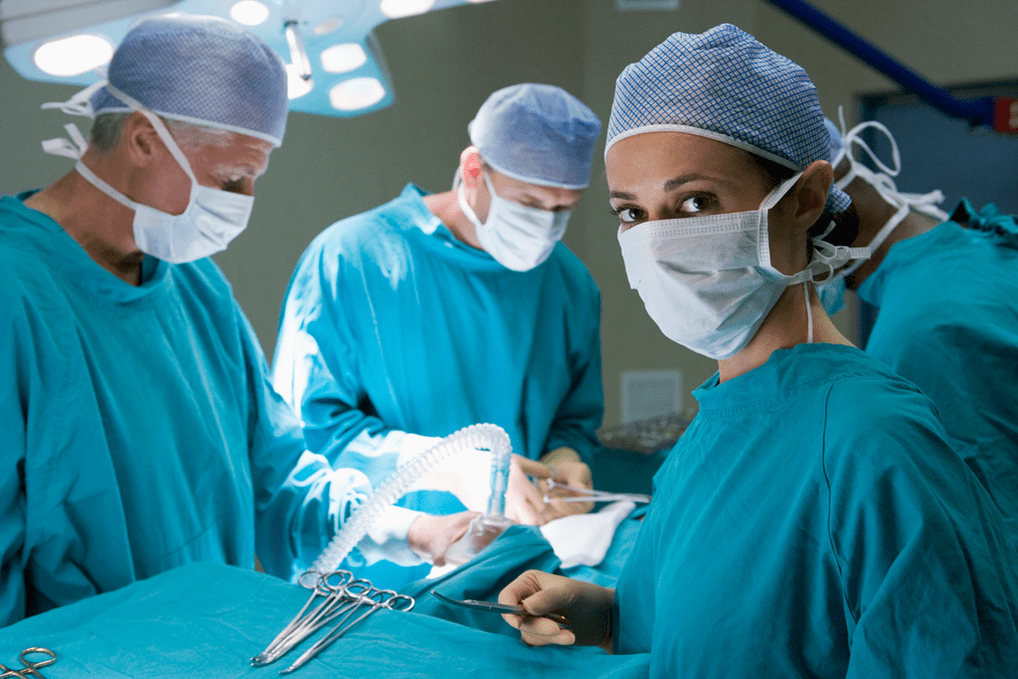
The tactics and scope of surgical intervention are determined by the attending physician;The choice is based on parameters such as the general condition of the patient, age and the presence of concomitant diseases, excess weight and others.The best results after endoprosthesis were obtained in young and middle-aged patients (almost complete restoration of the range of motion), but also in older people there is a significant improvement in their condition, since after a successful operation and recovery they can take care of themselves in everyday life and move not only within the apartment, but also outside, without limiting themselves in communication.
Prevention
Osteoarthritis belongs to the group of upright gait diseases and develops mainly as a result of age-related changes in the joints, enhanced by the influence of external negative factors.Attention to the state of the musculoskeletal system, prevention of joint diseases and treatment of osteoarthritis in the early stages makes it possible to maintain physical activity and avoid massive medical interventions in the future.